
How AI is Changing Cybersecurity in 2026
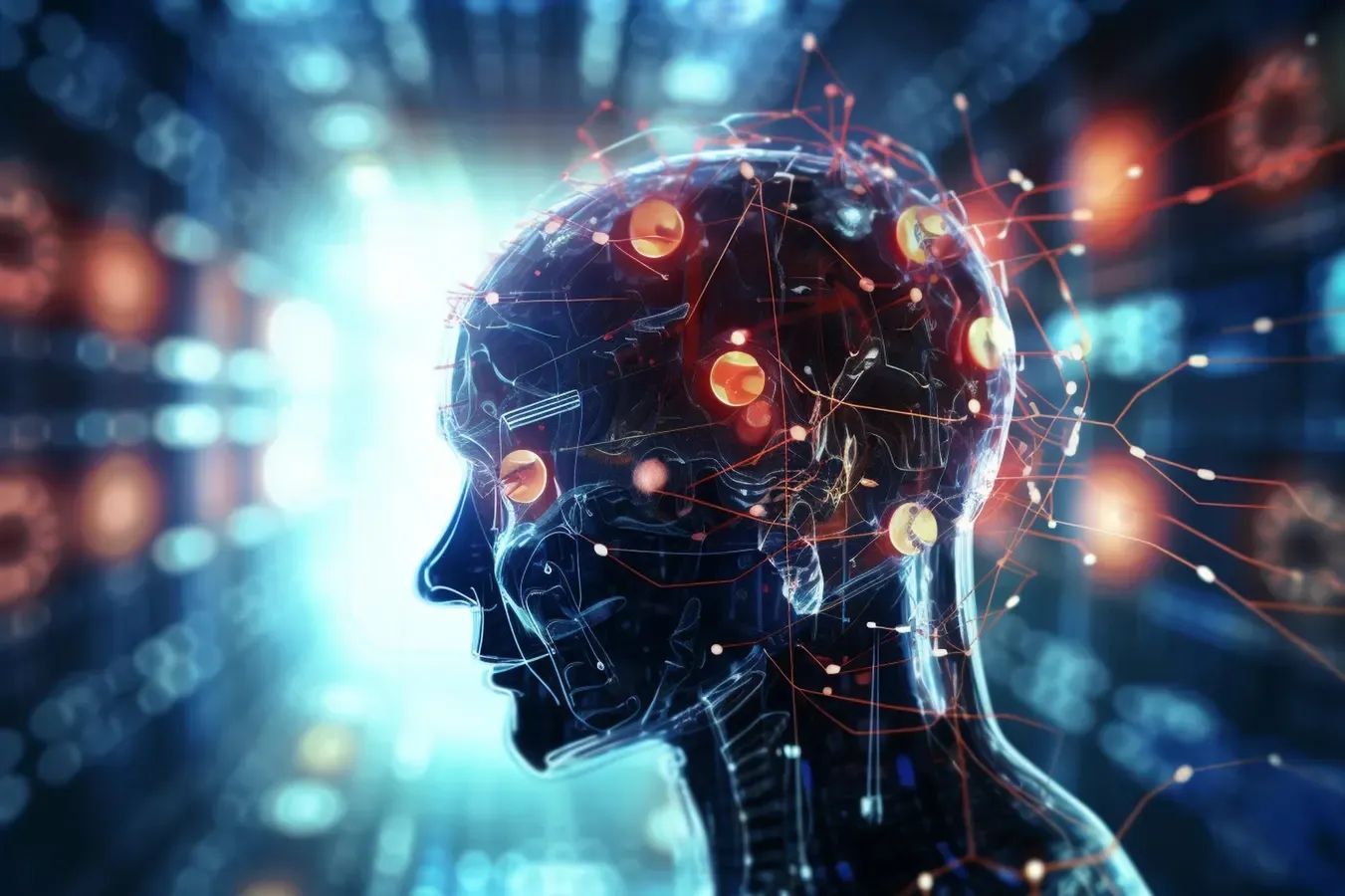
A few years ago, cybersecurity was mostly a human game. Analysts stared at screens, manually reviewing logs, chasing threats one by one. Today, that picture looks completely different. AI has entered the field and it's changing everything, on both sides of the attack.
Why, What & How
Understanding how AI fits into cybersecurity comes down to three straightforward questions.
Why
Cyberattacks are growing faster than security teams can handle manually. AI allows organizations to monitor, detect, and respond to threats at a speed and scale that no human team can match alone. For attackers, the same technology is lowering the barrier to launch sophisticated attacks. Both sides now rely on AI — which is why understanding it has become essential for anyone entering the field.
What
AI in cybersecurity refers to the use of machine learning and automation to identify threats, analyze patterns, and respond to incidents. On the defense side, AI-powered tools scan networks in real time, flag unusual behavior, and isolate compromised systems without waiting for human instruction. On the attack side, AI is being used to craft convincing phishing messages, scan for vulnerabilities automatically, and bypass traditional security filters.
How
Security teams integrate AI into their workflows through platforms like SIEM (Security Information and Event Management) systems, which collect and analyze data from across an organization's infrastructure. These tools learn what normal activity looks like and alert analysts when something deviates from that pattern. The result is faster detection, fewer missed threats, and less time spent on manual investigation.

AI is Making Attacks Smarter
Phishing emails used to be easy to spot — poor grammar, suspicious links, obvious fakes. Not anymore. AI can now generate highly personalized messages that mimic the tone and writing style of someone the target actually knows. The result is attacks that are far harder to recognize and far more likely to succeed.
Attackers are also using AI to automate reconnaissance — scanning thousands of systems in minutes to identify weak points, out-of-date software, and misconfigured servers. What once required days of manual work now happens faster than most teams can respond.
AI is Also the Best Defense
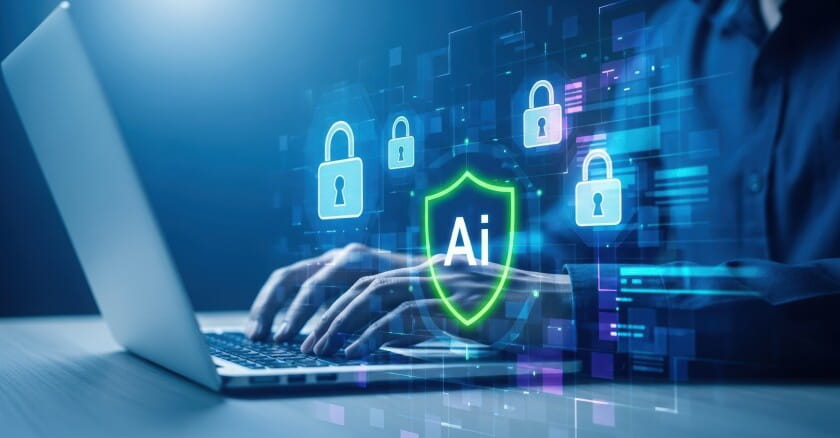
The same capabilities that make AI dangerous also make it the most powerful defensive tool available. Traditional security systems worked from known threat signatures — they could only detect attacks they had seen before. AI-powered systems learn patterns and can identify threats that have never been seen before.
Here is how security teams are using AI today:
• Threat Detection — AI monitors millions of data points simultaneously and spots anomalies that human analysts would miss
• Automated Response — when a threat is detected, AI can isolate affected systems instantly without waiting for human action
• Vulnerability Management — AI scans systems and codebases continuously, finding weaknesses before attackers do
• Fraud Detection — banks and payment platforms use AI to flag suspicious transactions the moment they occur

Skills That Matter Now
If you are building a cybersecurity career in 2026, these are the areas worth focusing on:
• Understanding how AI-based security tools work, not just how to run them
• Learning how attackers use AI so you can anticipate and counter those techniques
• Building strong fundamentals — networking, web security, and ethical hacking remain the foundation
• Staying updated, since the threat landscape is shifting faster than at any point before
Things to Keep in Mind
• AI is a tool, not a replacement for understanding. Knowing why a tool flags something matters as much as the flag itself.
• The fundamentals have not changed. Networks still need securing, web applications still have vulnerabilities, and ethical hackers are still in demand.
• Companies in Kerala's tech ecosystem — Technopark, Infopark, and beyond — are actively hiring professionals who can work with AI-powered security platforms. Building these skills now puts you ahead of most candidates.
Want to dive deeper?
Explore our certified internship and certification programs related to this topic.

Edwin Saji
Intern at Edwhere